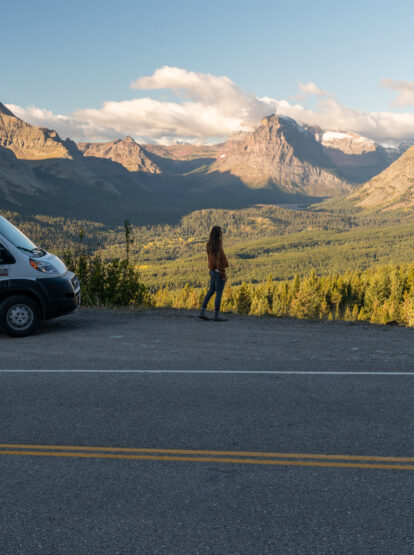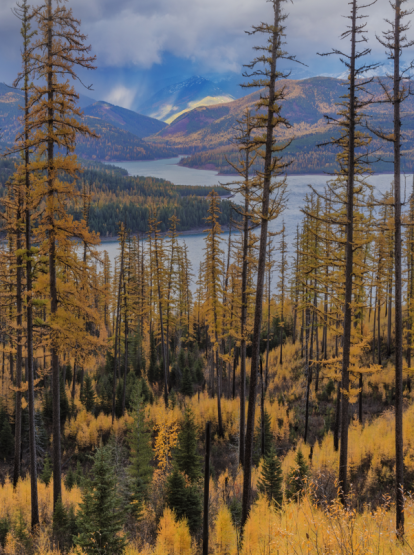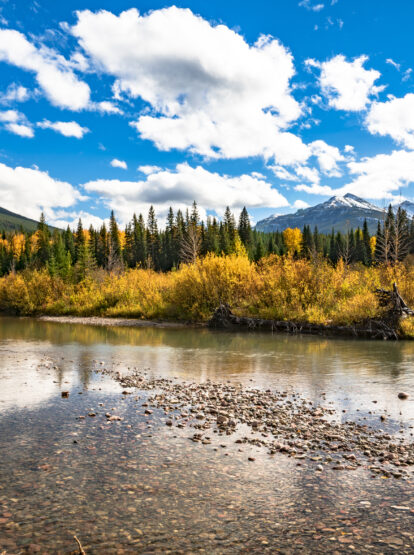
Here in Kalispell and northwest Montana, fall is a season that practically begs you to get outside. The days are sunny and have the perfect balance of crisp and colorful while the trails are framed by evergreen trees and western larch, creating a stunning backdrop for a variety of outdoor adventures. From hiking and mountain biking to fly-fishing, fall is filled to the brim with plenty of ways to experience the season.
And while it’s a prime time of year to get outside, this is also when wildlife are increasingly active. Elk and deer are in their fall rut, while bears prepare for winter by consuming as many calories as possible. You’ll find them filling up on a variety of food sources, including huckleberries, chokecherries, roots, worms, fruit trees and animal carcasses (and yes, they will also get into unsecured garbage and animal feed, as well as anything else they can get their paws on).
During fall, there is a delicate balance of enjoying Montana’s great outdoors, while being respectful and recreating responsibly. All that to say, this time of year calls for extra awareness. Here are some easy ways you can prepare to safely recreate in bear country, while still enjoying all Montana has to offer.
Consider Your Timing
It’s a known fact that wildlife are more active at dawn and at dusk. To help limit negative wildlife encounters, consider the time of day you plan to hit the trail. If possible, we highly recommend setting out on a hike during mid-morning. You’ll be less likely to catch bears – as well as hunters – off guard during this time of day. The late morning sun will also give you better visibility on the trail, making sure you can see what’s in front of you.
Wear Bright Clothing
While many visitors and locals are outside during fall to soak in the scenic views, this time of year is also hunting season. A key part of recreating outdoors during hunting season is making sure you are easy to see. Wear bright colors – including orange or fluorescent pink – on your hats, vests, etc. This will make hunters see you and don’t mistake your movement for something else. Hiking with a dog? Make sure they are also wearing an easy-to-see orange vest or bandana.
Hunting Season Dates
There are several different seasons for hunting in Montana. If you plan to hit the outdoors, keep in mind you’ll be hiking with hunters, even if you don’t see them. Here are a few dates to keep in mind: Archery Season (September 5-October 18), General Rifle Season (October 24-November 29) and Muzzleloader Season (December 12-20).
Stay on the Trail + Hike with a Friend
We get it – it’s easy to get smitten with Montana and its wild places and spaces. But part of keeping this place so pristine, protected and untouched is staying on the trail. This rule is an important one for fall, as utilizing well-established trails will help with visibility. Another important note – avoid bushwacking in the fall. Vegetation and bushes are where bears are filling their bellies.
If your outdoor adventures will have you in dense brush, near rivers or streams or areas with limited visibility (this includes a trail that curves), be sure to stay extra alert and make noise to let bears and other wildlife know you’re in the area.
While you can enjoy the outdoors solo, Montanans know it’s smarter to hike with a friend. This is standard practice in bear country, and we recommend hiking and enjoying the outdoors in a group. If you are hiking outdoors, stay together instead of spreading out along the trail. Plus, hiking in a group is statistically shown to lower your chances of a negative bear encounter.
And while trail running is a popular activity, it’s not recommended in destinations – like Glacier National Park and other wilderness areas – that are known for having bears.
Huckleberry Patches – Know Bears are There, Too
It’s safe to say that huckleberries – which only grow in the wild – are everyone’s favorite Montana berry. Around here, huckleberry season can stretch into mid-September. And while humans love this dark purple berry, they are an important food source for bears. If you plan on picking huckleberries, know that bears will likely be in those bushes as well. Stay alert, look around regularly, practice bear safety and make noise.
Carry (and Know How to Use) Bear Spray
When recreating outdoors in bear country (which is most of Montana), bear spray is one of the best things to have with you. An important note: be sure you know how to use it and keep it somewhere on you where it’s easy to access (not inside your backpack). We recommend wearing it on your hip, in a holster across your chest or – if needed – even in your front pocket.
Make Noise
Just like humans, bears don’t like to be startled or surprised. And while it may not seem like it, bears don’t want to have a negative encounter with a human, just like you don’t want to encounter them on the trail. The key to letting bears know you’re in their home is to make noise. Talk with your friends/family as you hike or walk. If you’re going around a blind corner, let them know you’re coming. Make human noises when you’re moving through brush or along riverbeds. Another important note – you don’t need to yell or play music as you hike. Occasional noises and regular conversations will do the job of letting them know you’re here. And while bear bells are often thought of as a way to alert bears to your presence, they generally aren’t considered effective. Human voices are a much better way to make your presence known.
Additional Resources: